

Post-Ejaculation Urinalysis
Post-ejaculation urinalysis is a test done on the man’s urine after ejaculation. This test is usually done when the semen volume is low and because of retrograde ejaculation. In retrograde ejaculation, there is a backward flow of semen into the bladder rather than flowing out via the urethra. The semen gets mixed with the urine and is ejected as a waste. This occurs at the time of ejaculation. Retrograde ejaculation is a form of male infertility problem.
When is this examination suggested?
Post-ejaculation urinalysis is suggested to men experiencing problems while conceiving. The healthcare provider may suggest a sperm analysis before going for this test. If the sperm analysis shows any problem, including low sperm concentration, that may be because of retrograde ejaculation. The test confirms the presence of sperm in the urine.
Why is PEU significant?
Post-ejaculation urinalysis is taken for diagnosing retrograde ejaculation, which is indeed a severe male condition and a reason for male infertility. A patient is not likely to beat this health problem. In some instances, there is a slight possibility of clinical pregnancy. In addition, a diagnosis is useful for the doctor to prescribe suitable medicines and possible treatments helpful for minimizing the problem. And this may even restore normal ejaculation.
How is it done?
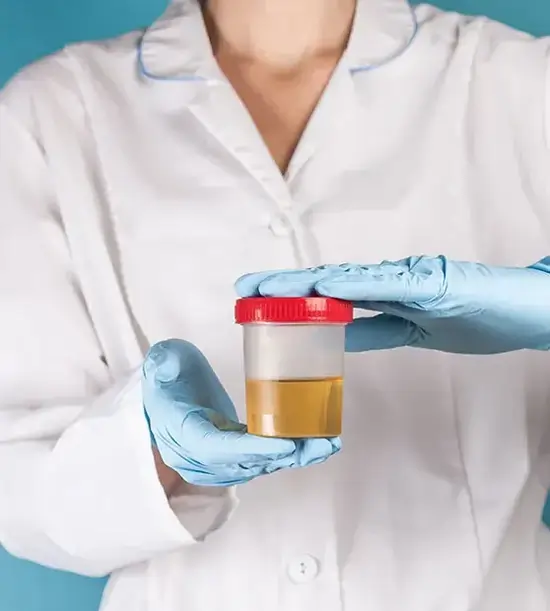
At first, a urine sample is collected following ejaculation. Then a physical analysis is performed by the professional technicians. The sample is positioned under a microscope to assess its cells and spot the presence of sperm. For assessing its chemical appearance, a special stick is utilized in the process.
Also Read: Latest Medical and Surgical Treatments for Azoospermia
What do the PEU results indicate?
This test is a clear indicator of the presence of sperm in the urine. So, if the man is suffering from retrograde ejaculation, then his urine sample would contain a huge number of sperm cells. With the help of suitable medicines and medical therapies, the condition can be managed and treated. Also, sperm might be taken from the testis directly and utilized for an ICSI technique that may be a benefit in achieving conception.
Frequently Asked Questions
-
How is a post-ejaculation urinalysis performed?
A post-ejaculation urinalysis is a simple lab test used to check if semen is traveling backwards into the bladder instead of coming out normally during ejaculation. First, you empty your bladder completely, ejaculate, and then collect a new urine sample in a sterile cup immediately after. The lab then examines this sample under a microscope to look for sperm cells, which helps your doctor determine if retrograde ejaculation is occurring.
-
Can post-ejaculation urinalysis detect retrograde ejaculation?
Yes, this test is the primary diagnostic tool for retrograde ejaculation. It is typically recommended when a patient has low semen volume or unexplained infertility. If the microscopic analysis reveals a significant concentration of sperm within the urine sample collected immediately after climax, it suggests that semen is flowing backwards into the bladder rather than exiting through the urethra.
-
How long after ejaculation should a urine test be done?
To ensure the most accurate results, the urine sample must be collected immediately following ejaculation. Prompt collection prevents the degradation of sperm cells and ensures that the concentration of sperm in the bladder is at its peak. Any delay can affect the accuracy of the test and potentially lead to an inconclusive result.
-
What causes sperm leakage into the urinary tract?
Sperm leakage into the urinary tract, or retrograde ejaculation, occurs when the muscle that closes the entrance to the bladder doesn’t seal properly during climax. Various factors, including nerve damage from diabetes, certain medications, or complications from pelvic surgeries, can cause this malfunction. Consequently, the semen follows the path of least resistance, flowing backwards into the bladder.
-
Does sperm in urine interfere with other urine tests?
Yes, sperm can temporarily affect the results of a routine urinalysis. Because semen contains proteins, its presence in urine can cause a false-positive result for high protein levels (proteinuria). It can also make the urine sample look cloudy, which might be mistaken for a urinary tract infection (UTI). If you are taking a routine urine test for general health or infection, it is best to avoid ejaculating shortly before providing your sample. Your doctor will keep this in mind when reviewing your results so that sperm in the sample isn’t mistaken for a kidney or bladder issue.