


Klinefelter's syndrome (KS)
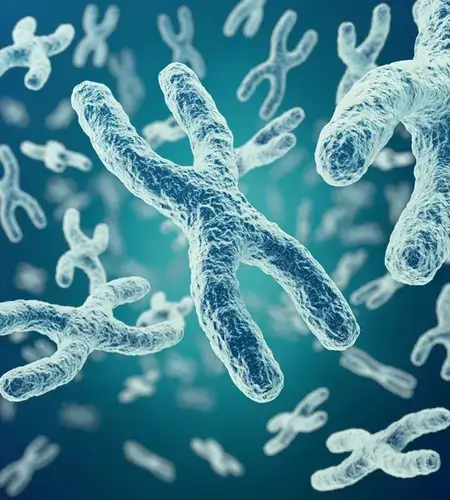
Klinefelter syndrome (KS) refers to a genetic condition where the males have an extra chromosome making the total number of chromosomes 47 instead of 46 in healthy males. National Human Genome Research Institute report says KS occurs in 1 out of every 500 to 1000 newborn males.
Also Read: Understanding Male Infertility
What are the symptoms of Klinefelter's syndrome?
The signs and symptoms of KS differ in affected individuals. Many males with KS have no significant symptoms or only a few mild symptoms. Therefore, sometimes this condition may go undiagnosed. Symptoms of KS may also vary depending on age.
Babies with KS may have weak muscles, reduced strength, delay in speaking, etc. Signs and symptoms of KS in boys and teenagers are:
- Longer legs, short trunk, broader hips.
- Absent or delayed puberty.
- Taller than average height.
- Small penis.
- Weak bones.
- Low energy levels, etc.
Men with KS may have the following signs and symptoms:
- Low sperm count or no sperm.
- Small testicles and penis.
- Low sex drive.
- Enlarged breast tissue.
- Decreased facial and body hair, etc.
Also Read: Latest Medical and Surgical Treatments for Azoospermia
How to diagnose KS?
Doctors usually do a physical examination and ask questions about various symptoms to diagnose KS. Hormone testing and chromosome analysis are two main tests that confirm the diagnosis of KS.
What are the treatment options available for KS?
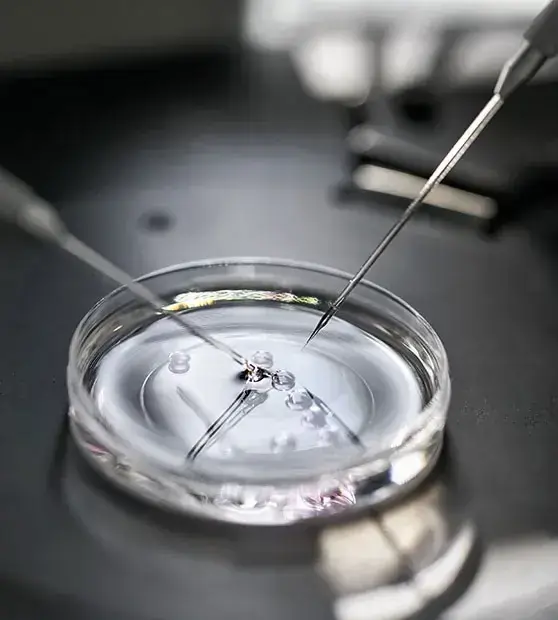
Fertility treatments such as ICSI combined with Preimplantation Genetic Testing can help men with KS to have healthy babies.
Frequently Asked Questions
-
Is Klinefelter syndrome a genetic condition?
Yes, Klinefelter syndrome is a genetic condition occurring when a male is born with an extra copy of the X chromosome (XXY instead of XY). It is not inherited from parents but results from a random genetic error during the formation of reproductive cells or early fetal development, affecting chromosomal makeup and subsequent male development.
-
Is Klinefelter syndrome something that can be cured?
Klinefelter syndrome cannot be cured because it is a chromosomal condition present from birth. However, various treatments can effectively manage symptoms and improve quality of life. Testosterone replacement therapy, fertility treatments, and physical or speech therapy help address hormonal imbalances, physical development issues, and potential infertility challenges throughout a patient’s life.
-
What are the common signs and symptoms of Klinefelter syndrome?
Common symptoms include physical traits like taller stature, longer legs, and wider hips. Men may experience breast tissue growth (gynecomastia), smaller testicles, and reduced facial or body hair. Other signs include lower energy levels, muscle weakness, and learning or speech difficulties. Crucially, it is a leading cause of male infertility due to low sperm production.
-
How common is Klinefelter syndrome in men?
Klinefelter syndrome is one of the most common chromosomal disorders in males, affecting approximately 1 in 500 to 1,000 newborn boys. Despite its prevalence, many cases remain undiagnosed because symptoms can be mild or vary significantly. Often, men only discover they have the condition when seeking medical advice for fertility issues later in life.
-
At what age is Klinefelter syndrome usually diagnosed?
Diagnosis can occur at any age, but it is often missed until puberty or adulthood. Some cases are detected prenatally or during childhood through genetic testing for developmental delays. However, many men are only diagnosed in their 20s or 30s when they face difficulties conceiving and undergo clinical evaluations for infertility or hormonal imbalances.
-
Can Klinefelter syndrome affect hormone levels in men?
Yes, the extra X chromosome interferes with testicular development, leading to primary hypogonadism. This results in significantly lower levels of testosterone compared to the average male. These hormonal imbalances can impact sex drive, energy levels, and mood, and are responsible for many of the physical characteristics and fertility challenges associated with the syndrome.
-
Can Klinefelter syndrome affect physical development during puberty?
During puberty, the condition often causes delayed or incomplete development due to insufficient testosterone. Boys may experience less muscle mass, less facial and body hair, and softer bones. They might also develop enlarged breast tissue and have smaller testicles. These physical changes can be managed if diagnosed early through appropriate hormonal interventions and specialized medical care.