

Non-Obstructive Azoospermia (NOA)
Azoospermia is the absence of sperm cells in the ejaculate. Out of it, approximately 60% are classified as Non-obstructive Azoospermia (NOA) and 40% as Obstructive Azoospermia (OA).
Non-Obstructive Azoospermia (NOA) is a medical condition in which the man cannot produce sperm due to the failure of spermatogenesis. It is one of the severe forms of male infertility.
Also Read: Obstructive Azoospermia
What are the causes of Non-Obstructive Azoospermia (NOA)?
NOA develops due to different reasons:
- Hormonal problems: hormonal deficiency can result in the condition like NOA.
- Genetic and chromosomal problems.
- Testicular failure: the cells responsible of producing the sperm in the testes are missing (absence of germ cells) and, therefore, there is no sperm production.
- Maturation arrest: absence of the later stages of spermatogenesis, that is the biological process of producing mature and motile sperm cells from early-stage cells.
How does this condition affect fertility?
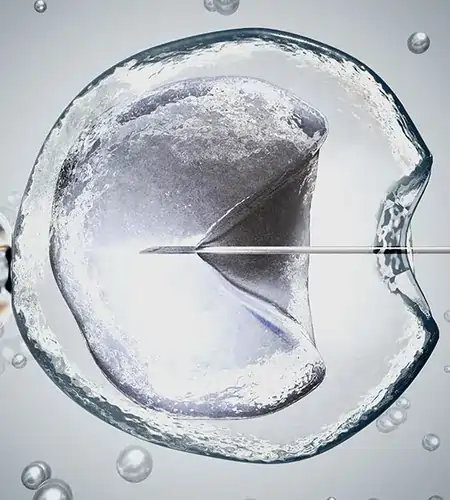
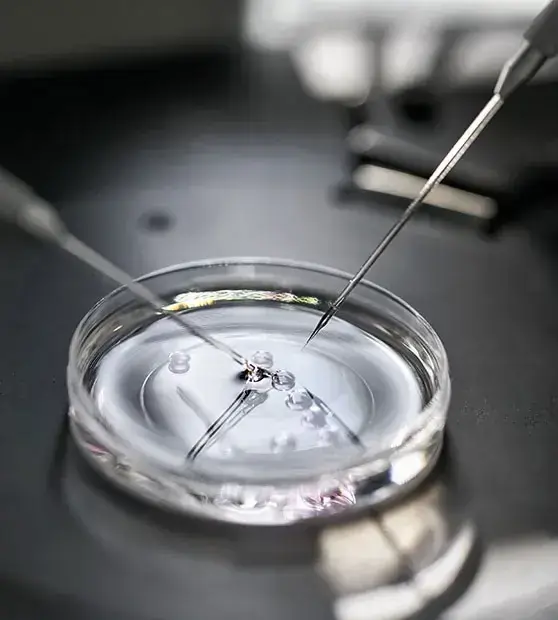
Male suffering from Non-Obstructive Azoospermia is not capable of producing sperms. Thus, the couple is unable to conceive naturally. However, after a combination of adequate medical and surgical treatments, physicians can recover healthy sperms from the testicles and use them to fertilize the egg via ICSI treatment.
How can this problem be diagnosed?
- Sperm analysis: is the main test for the diagnosis. No sperms are found in case of azoospermia.
- Other investigations, like hormonal tests, chromosomal analysis (Karyotype and Yq microdeletions), and testicular ultrasound are useful tests to evaluate the causes and plan for the adequate treatment.
Is it possible to treat NOA?
The treatment of NOA combines medications (including hormone therapy) combined with a surgical approach. TESE and Micro-TESE are the surgical approaches to obtain sperms directly from the testes. Once the sperms are found, fertility treatments using ICSI will help the couple to fertilise the eggs and obtain the embryos.
Also Read: Latest Medical and Surgical Treatments for Azoospermia
FAQ
-
1. How is non-obstructive azoospermia diagnosed by fertility specialists?
The diagnosis of non-obstructive azoospermia begins with a comprehensive semen analysis, which reveals the absence of sperm in the ejaculate. To move beyond this initial finding and identify the underlying cause, fertility specialists perform a series of follow-up investigations. These typically include hormonal tests to assess reproductive function, genetic screenings such as Karyotype and Yq microdeletion analysis, and testicular ultrasounds to evaluate the internal structure of the testes. By integrating these diagnostic results, specialists can better understand the specific cause of sperm production failure and create an informed, personalized treatment plan.
-
2. What treatment options are available for non-obstructive azoospermia?
Treatment for non-obstructive azoospermia focuses on identifying and retrieving viable sperm for use in assisted reproductive technology. Specialists often employ a combined approach that includes medical management, such as targeted hormone therapy, alongside surgical interventions like Testicular Sperm Extraction (TESE) or Micro-TESE to attempt to recover sperm directly from the testicles. Once healthy sperm are successfully retrieved, they are used in the laboratory via Intracytoplasmic Sperm Injection (ICSI), in which a single sperm is injected into an egg to achieve fertilization and create embryos, providing a viable pathway for couples to conceive.
-
3. When should I see a doctor if I’m concerned about azoospermia or low sperm count?
If you are struggling to conceive naturally or have specific concerns regarding your fertility, it is advisable to consult with a fertility specialist as soon as you are ready to start or grow your family. Azoospermia is often asymptomatic, meaning there are rarely physical symptoms that signal the condition, making a professional clinical evaluation the only reliable way to assess your reproductive health. Early detection through semen analysis and subsequent specialist consultations provides a much broader range of options. This ensures that you and your partner have the best possible information and the most effective strategies to pursue your family-building goals.
-
4. Can assisted reproductive techniques help men with non-obstructive azoospermia become fathers?
Yes, men with non-obstructive azoospermia (NOA) can often achieve fatherhood through advanced surgical techniques. In the UAE, specialized clinics use Micro-TESE to identify tiny pockets of sperm production within the testes. These retrieved sperm are then used in Intracytoplasmic Sperm Injection (ICSI), allowing biological conception even when no sperm are present in the natural ejaculate.